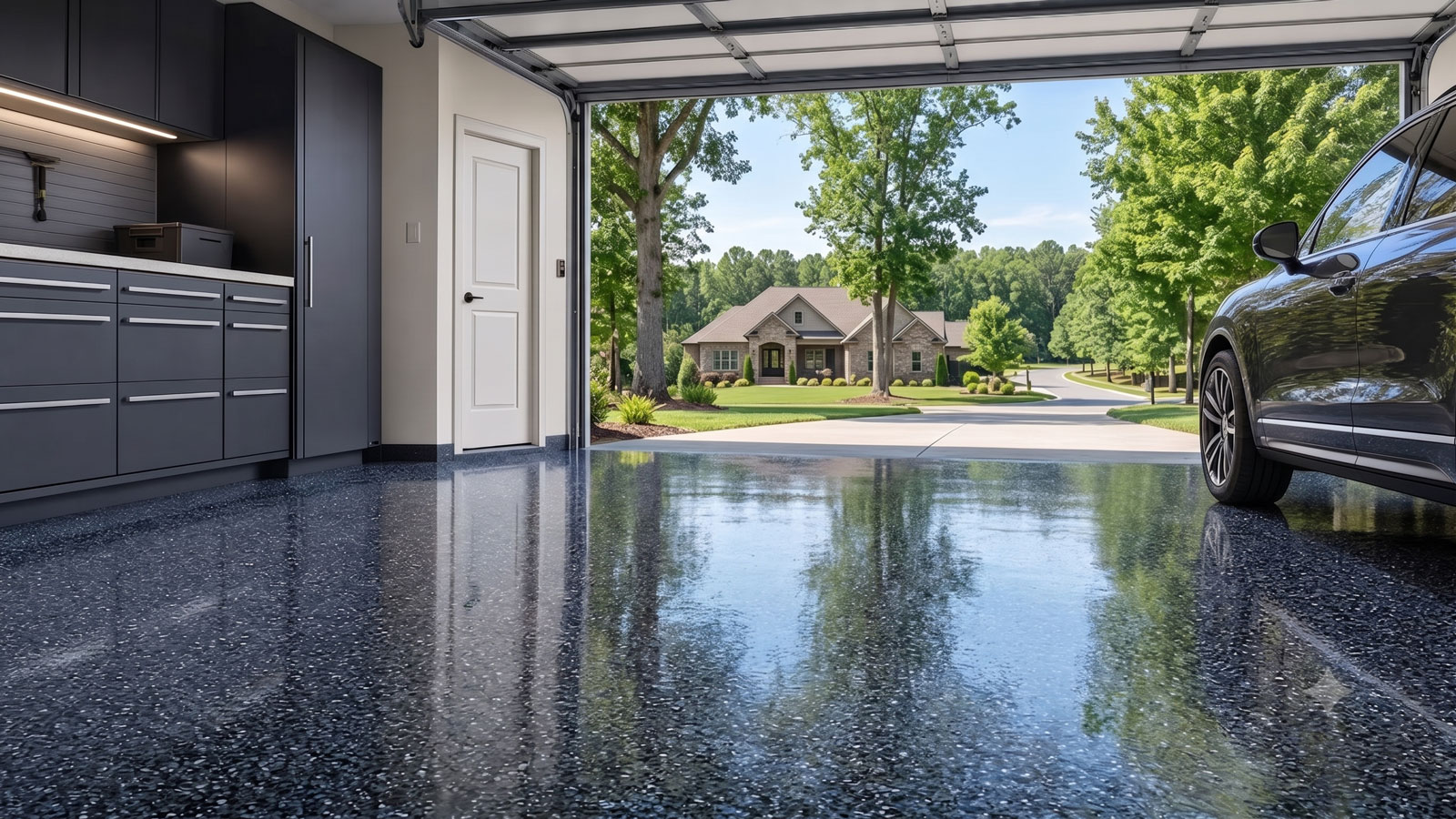
Garage Floor Coating in Wayzata, MN
Floor Coating Services in Wayzata, MN
Wayzata is a compact, historic Lake Minnetonka community whose first permanent settlers arrived in the early 1850s and whose growth accelerated after railroad service arrived in 1867. The city covers only about three square miles, so older village lots, rebuilt homes, detached garages, and newer high-value residential construction sit close together. House age and garage-slab age often tell different stories.
Water is central to the city's geography. Wayzata lies on the north shore of Lake Minnetonka, contains more than seventy wetlands and small lakes within its compact area, and sits entirely inside the Minnehaha Creek Watershed District. Browns Bay, Wayzata Bay, and Gray's Bay frame the local setting. Those facts make drainage worth inspecting, but the coating decision still depends on driveway runoff, threshold water, and actual slab evidence.
Older Wayzata garages may have paint, oil, repairs, later additions, and tight access, while rebuilt or newer garages can contain curing compounds, sealers, dense finishes, and detailed multi-bay geometry. Lake-oriented use can also bring wet gear and frequent cleanup. Those use conditions should be separated from diagnosing moisture through the slab.
Local Market Insight
Wayzata's compact historic lots, Lake Minnetonka setting, many wetlands, and complete location within the Minnehaha Creek Watershed District make garage access and drainage highly property-specific. Rebuilt homes add young concrete beside much older garage histories.
What Affects the Cost of Garage Floor Coating in Wayzata?
Wayzata project scope can vary with old coatings, later repours, builder treatments on rebuilt garages, tight-site access, lake-oriented wet use, watershed drainage, detailed edge work, and winter residue. A small floor can still be labor-intensive when access and surface history are complicated.
- Historic and rebuilt slab history: Older village garages may have paint, repairs, additions, and multiple pours, while rebuilt properties can have much newer concrete with builder treatments. The slab should be dated by physical evidence, not the house.
- Lake Minnetonka drainage context: Lake and watershed proximity make runoff worth checking, but actual driveway flow, threshold entry, persistent dampness, and prior coating failure should determine moisture-related scope.
- Wet recreational use: Lake gear, wet footwear, trailers, and frequent cleanup can make traction and cleanability especially important. These use conditions are separate from diagnosing moisture through the concrete.
- Tight compact-lot access: Short drives, landscaping, detached buildings, stairs, and limited staging space can add equipment-access and perimeter work even when the garage floor itself is not large.
- Builder treatments on newer slabs: Rebuilt or newer garages can contain curing compounds, sealers, dense finishes, and builder repairs that must be mechanically removed or profiled for reliable adhesion.
- Winter salt and detailed edges: Snowmelt, salt, thresholds, stem walls, drains, and storage edges can add cleaning and detail work. These tasks should be listed separately from open-floor square footage.
Call for a clear, project-specific estimate — or request one online.
Local Garage-Floor Conditions in Wayzata
Start by determining whether the slab belongs to the house's original construction era. Wayzata has many rebuilt and remodeled properties, so joint lines, texture changes, repairs, and old coating edges can reveal a garage floor that is much newer or more altered than the residence suggests.
Then separate lake-oriented wet use from actual drainage problems. Wet gear and snowy vehicles create normal cleanup needs, while water that repeatedly crosses the threshold or leaves persistent dampness is an exterior-site issue that should be investigated separately.
Finally, account for compact-lot logistics. Tight drives, landscaping, storage, detached structures, and perimeter detail can add staging and edge work. A smaller Wayzata garage can therefore be more labor-intensive than a larger open suburban floor.
Historic Wayzata, Rebuilt Homes, and Mixed Slab Ages
Wayzata's settlement and railroad history gave it a compact village pattern long before today's Lake Minnetonka housing market developed. Over time, homes have been remodeled, replaced, and expanded, so a historic address may contain a garage slab poured much later than the original house.
That matters during preparation. An older floor may have paint, oil, repair compounds, multiple pours, and decades of winter use, while a newer replacement slab may instead carry curing products, sealers, dense finishes, and builder patching. Neither age profile tells the whole story by itself.
Homeowners should expect the estimate to identify the physical surface conditions and the access conditions. Coating removal, profiling, crack work, edge grinding, storage movement, and staging can all drive labor on a compact lot, sometimes more than the open square footage of the garage.
Lake Minnetonka, Wetlands, and the Minnehaha Creek Watershed
Wayzata's water context is unusually concentrated. The city sits directly on Lake Minnetonka, contains many wetlands and smaller water features within only a few square miles, and lies entirely in the Minnehaha Creek Watershed District. That geography makes drainage an obvious local question for garages near slopes, low areas, or lake-oriented properties.
The useful evidence remains at the door. Watch whether rain or snowmelt flows toward the garage, whether a downspout concentrates water at the apron, whether wet areas remain after surrounding concrete dries, and whether a prior coating failed in the same location. Lake proximity by itself is not a moisture test.
Wet recreational use should also be kept separate from exterior water intrusion. A garage with boats, lake gear, and snowy vehicles mainly needs cleanability and traction; a garage with recurring threshold entry needs the water path corrected. The coating system should be chosen only after those conditions and the slab's surface history are clearly distinguished.
Wayzata's compact lots can make equipment staging and perimeter access unusually important. Landscaping, narrow drives, detached structures, steps, and storage may add labor that a larger open suburban garage does not have. Those logistics should be identified separately from coating removal, builder treatments, and water-related site work.
Wayzata Garage Floor Coating FAQs
Does living near Lake Minnetonka mean a Wayzata garage needs moisture treatment?
No. Lake proximity is useful context, but actual threshold water, persistent dampness, mineral deposits, and prior coating failure should determine whether drainage or moisture work is needed.
Why can a historic Wayzata home have a newer garage slab?
Homes and garages are often rebuilt or expanded over time. Joint lines, texture changes, repairs, and coating edges can show that the concrete was poured much later than the residence.
How can lake-oriented use change coating priorities?
Wet gear, trailers, snowy vehicles, and frequent cleanup can make practical traction and cleanability important. Those use conditions are separate from diagnosing moisture through the slab.
What can make a small Wayzata garage expensive to prepare?
Tight access, detached structures, perimeter edges, old coatings, repairs, storage movement, and limited staging can add labor even when the open floor area is modest.
Do rebuilt Wayzata garages still need mechanical profiling?
Yes. Newer slabs can contain curing compounds, sealers, dense finishes, and builder repairs that interfere with adhesion even when the concrete looks nearly perfect.
Wayzata Neighborhoods & Local Context
Phone Quote Line
Speak with a floor coating specialist about your project and get a realistic estimate range.
(952) 333-9111Typical Project Cost
$3,000–$5,500
Typical range for a two-car garage. Final pricing depends on floor size, concrete condition, prep work, coating type, and finish options.
Helpful Guides